All Articles

Live Surf Cams

Surfline Live is a 24/7 glimpse into the world’s surf.

This stream moves through Surfline’s global camera network, showing spots where it’s daylight and rated Fair or better.

What’s The Deal With…?

Surf Gear & Brands

Go for a pair with a secure, comfy waistband—usually a drawstring and a solid fly. Key features include a stretchy, quick-drying fabric and a gusseted crotch for full mobility when you pop up. For everyday use, you want a versatile length and a design that works just as well on land. Check for durable stitching and consider recycled materials; many core brands are eco-conscious these days. Basically, they should handle a dawn patrol and then look good hanging out.

Totally, it’s a personal preference thing. Regular-footers (right foot forward) often wear it on their back (left) ankle, and goofy-footers on their right. This keeps the cord away from your leading foot during pop-ups. Some surfers switch it up based on the break to keep the leash away from the curl. The key is consistency—find what feels natural and stick with it so the motion becomes automatic when you’re scrambling to your feet.

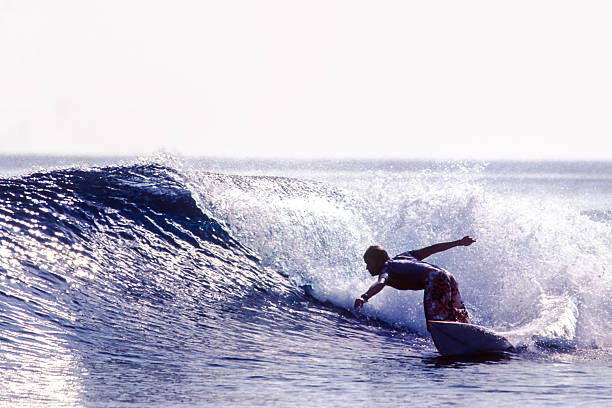
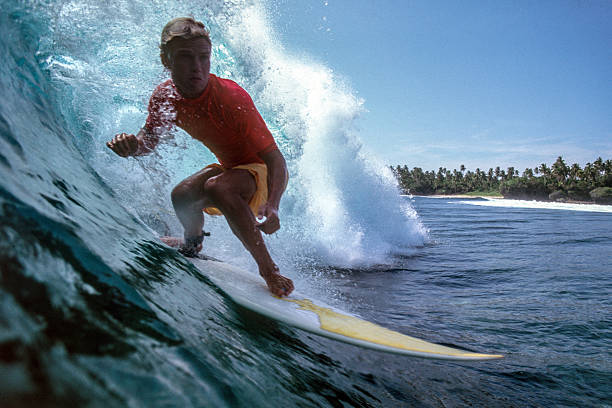
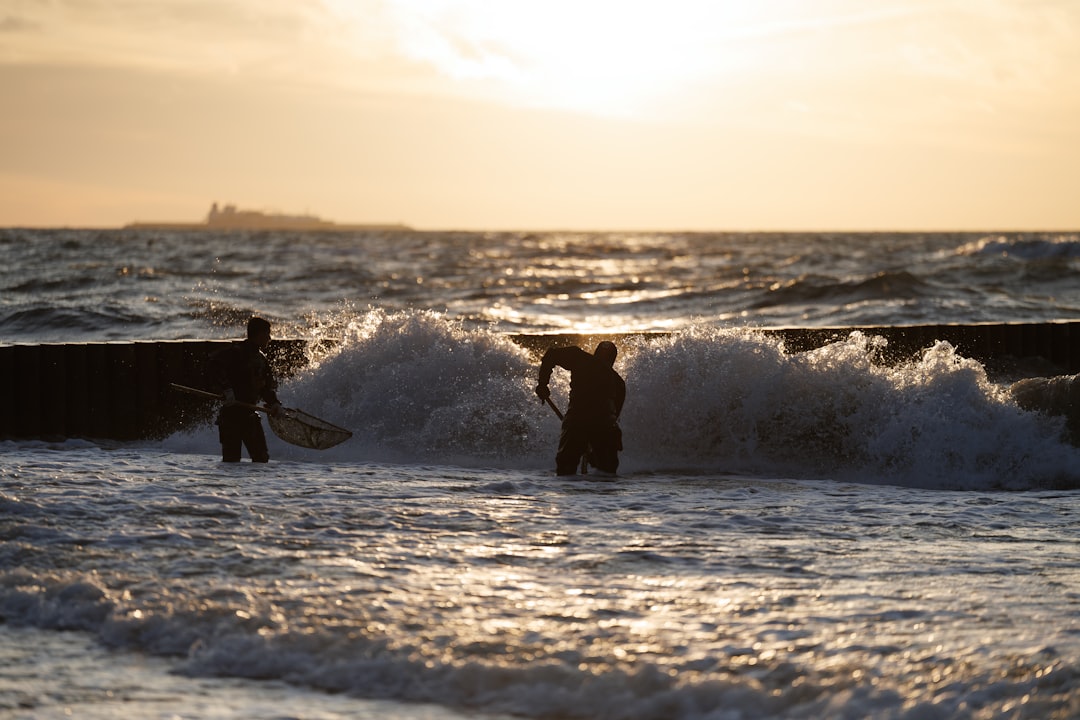
Chase the stoke. Shoot the grins in the channel, the pre-dawn paddle out, the weathered hands waxing a board. It’s not just the critical drop; it’s the lifestyle around it. Silhouettes against a sunset, friends sharing a wave, the concentration on a face. These moments show the soul of surfing—the connection, the freedom, the pure joy. It’s about documenting the vibe, not just the action.

Surfboard Evolution

Rocker is the curve from nose to tail. More rocker means a board that fits into steeper wave faces, turns tighter, and avoids “pearling” (nose-diving). It’s great for pitching waves. Less rocker means a faster, more glidey board that excels in flatter waves. A flat board is speedier but harder to turn in the pocket. For general use, a moderate rocker is a safe bet. Go for more if you’re charging steep waves, less for small, slow surf.

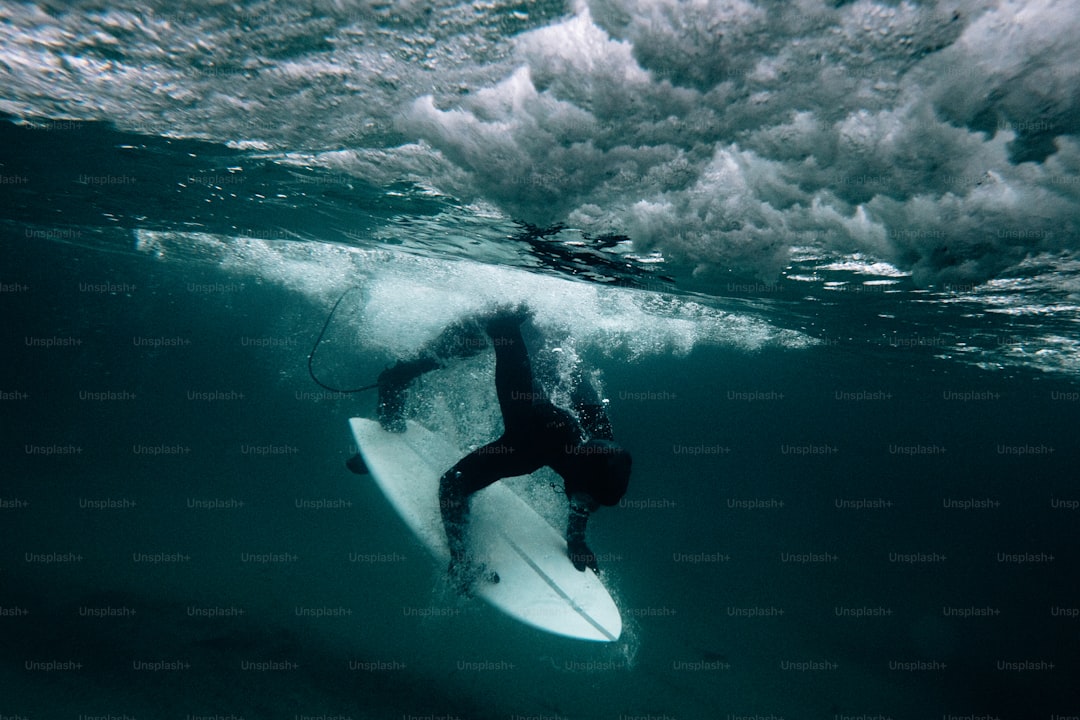
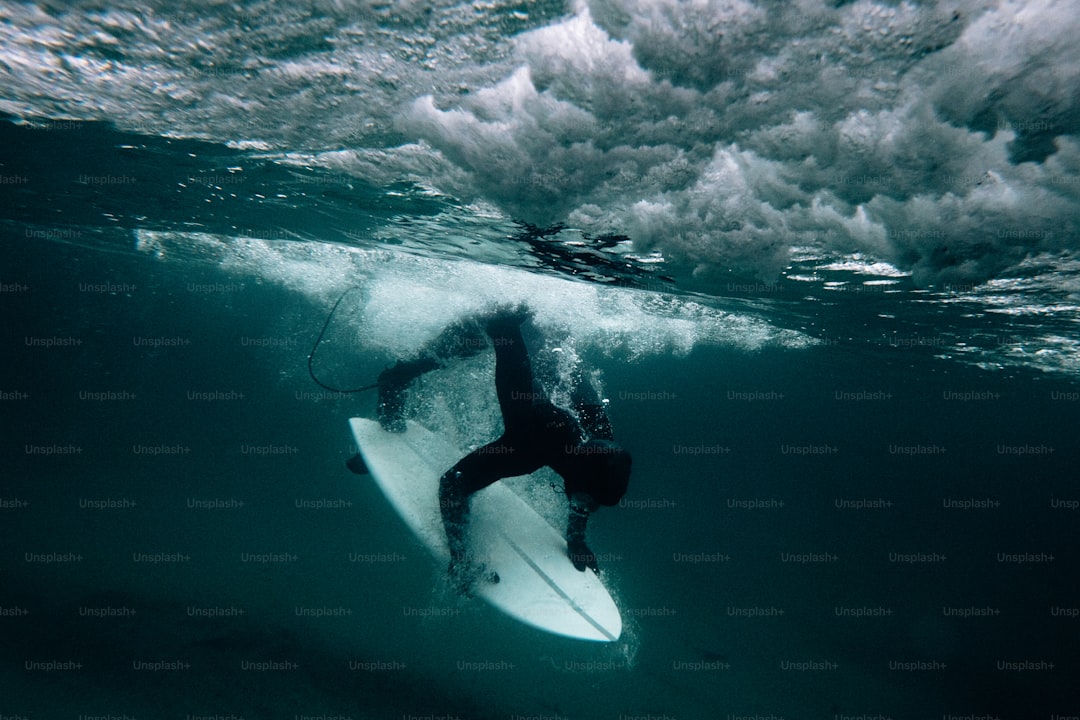
Duck diving is the technique used to push your board underwater beneath an oncoming whitewater wave, so you can get out back without getting pummeled. You shove the nose down, push the tail under with your knee or foot, and let the wave pass over you. It’s essential for shortboarders to efficiently get through the impact zone. Mastering it saves energy and gets you to the lineup faster, ready to catch set waves.

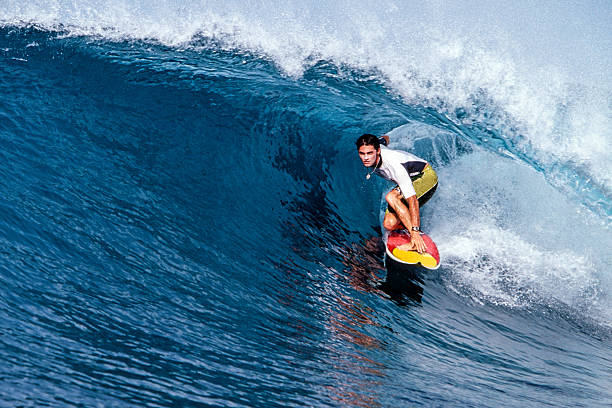
You gotta train like an athlete and think like a waterman. Get your paddle fitness dialed—you’ll need it against strong currents. Practice breath-holding and always know your exit strategy. Mentally, study the break for hours from the beach. Watch the sets, identify the channel, and observe the local crew. Respect and humility are key. Start smaller at places like Canoes before even thinking about the North Shore giants. It’s about building confidence slowly and knowing your limits in the blue room.