All Articles

Live Surf Cams

Surfline Live is a 24/7 glimpse into the world’s surf.

This stream moves through Surfline’s global camera network, showing spots where it’s daylight and rated Fair or better.

What’s The Deal With…?

Surf Lingo Explained

Reading the ocean is like understanding a language. It’s about spotting the sets, identifying the peak, and seeing how the waves are breaking. You look for rips, wind changes, and tidal shifts. This knowledge tells you where to sit, when to paddle, and which wave to go for. It saves your energy and gets you more waves. Without it, you’re just paddling around blindly. The ocean is always talking; you just gotta learn to listen.

Every break has a favorite swell direction. A beach with a south-facing cove will light up with a south swell but be flat on a west swell. It’s about how the energy wraps into the coastline and interacts with the underwater terrain. A “direct hit” from the right swell direction means more size and power. Checking the swell angle on the forecast is crucial. You might drive past your usual spot to chase a swell that’s hitting a different angle somewhere else.

He was the perfect bridge. Duke revered the ancient Hawaiian tradition of “heʻe nalu,“ learning from the old masters. Then, using his international fame as an Olympic athlete, he presented it to the modern world as something exciting and accessible. He showed it wasn’t just a ritual; it was a thrilling sport and lifestyle. His athletic prestige gave surfing credibility, inspiring a new generation to pick up a board and move beyond Hawaii’s shores, kickstarting the global culture we know today.

Surf Gear Essentials

That padded section where the leash string connects to your board’s plug is the rail saver, and it’s crucial. It protects your board’s delicate rails and tail from getting gashed by the cord during violent snaps or when the board is tumbling in the whitewater. It also reduces stress on the leash string itself, preventing premature snapping. Always make sure the rail saver is in good condition and properly positioned against your board’s edge.

Beginners can totally join, but be smart about it. Choose a familiar, forgiving break—don’t try a new reef at first light. Let your more experienced pals know you’re coming. The lower light and potentially stronger morning currents can be challenging. Your pop-up might feel stiffer in the cool air! But learning in glassy conditions is amazing. Just know your limits, stay safe, and enjoy the peaceful atmosphere. Everyone started somewhere, and the dawn crew usually respects the stoke.

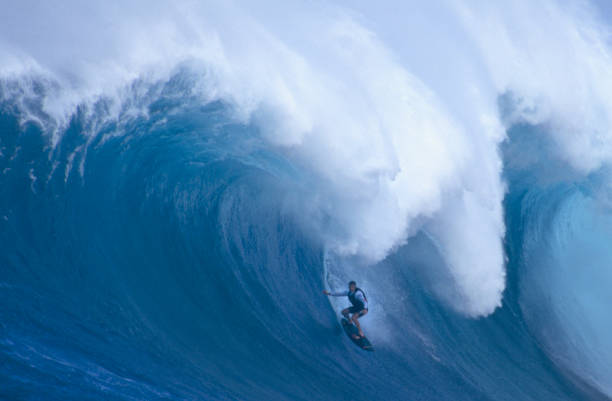
“The Eddie” is the Quiksilver in Memory of Eddie Aikau big wave invitational at Waimea Bay. It’s not just another contest; it’s a tribute. It only runs when wave faces consistently hit a minimum of 40 feet—conditions worthy of Eddie himself. The world’s best big wave chargers are invited, but winning here is about more than a score. It’s about honoring the man, his spirit, and surfing with that same “would go” heart in the most challenging surf on the planet.