All Articles

Live Surf Cams

Surfline Live is a 24/7 glimpse into the world’s surf.

This stream moves through Surfline’s global camera network, showing spots where it’s daylight and rated Fair or better.

What’s The Deal With…?

Surfboard Evolution

A half-arsed repair with duct tape or glue is a temporary fix that causes long-term damage. Water will sneak in, rot the foam from the inside out, and create a much bigger problem. A proper repair with resin and glass restores the structural integrity and the watertight seal. It keeps the board’s flex pattern true and prevents the dreaded “ding spread.“ Do it right the first time, or take it to a shaper who can.

It’s about using the stoke of surfing to give back. Instead of just chasing barrels for yourself, you align your sessions with a bigger purpose. This could mean joining a cleanup, paddling in a fundraiser for ocean conservation, or supporting charities that use surf therapy. It’s the ultimate soulful shift—your passion directly helps protect the playground or improves lives. You get your glide on and make a positive impact, which feels even better than snagging that perfect wave.

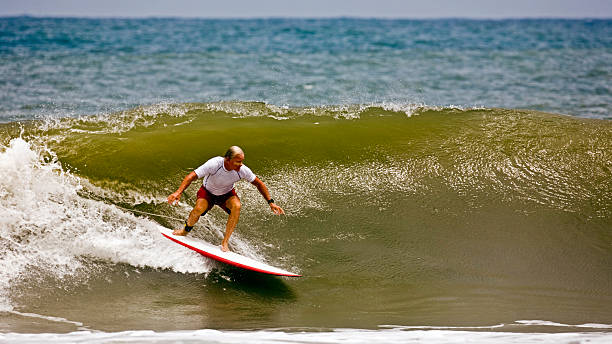
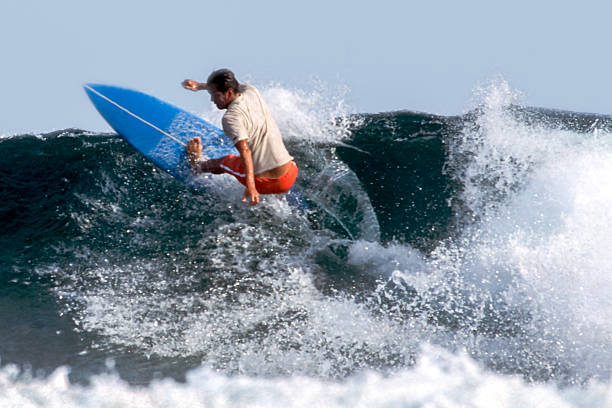
Classic! You’re probably too flat-footed or leaning on your inside rail. The bottom turn is all about rail engagement. You need to press firmly on your back foot and engage your outside rail—the one facing the wave face. Think of carving with a knife; you need that edge to bite. Also, check your speed; if you’re going too slow, the fins won’t grip. Make sure you’re generating enough momentum from your drop to power through the turn.

Surf News & Updates

You want a good-time, middle-of-the-road shape. Look for a hybrid or “funboard” in the 6’8” to 7’6” range, depending on your size. Something with a bit of rocker for steeper faces, but enough foam and width to paddle into anything. A rounded pin or squash tail offers a sweet blend of drive and release. This is your go-to for anything from knee-high to a few feet overhead—a true daily driver that keeps you stoked in most conditions.

They just push the nose straight down and let go, which is a recipe for getting the board yeeted back at them. They forget the crucial second act: sinking the tail. Without that, the board’s buoyancy wins, and it rockets to the surface into the wave’s worst power. Another classic error is starting the dive too late. You need to initiate just before the wave hits—if you’re already in the whitewater’s grip, it’s too late, mate. Practice makes permanent.

It’s a balance of your skill, weight, and the waves you chase. A general rule: more volume equals more stability and easier paddling, which is great for beginners. As you advance, you can drop volume for more maneuverability. Don’t just grab a pro’s tiny shred sled—you’ll be battling to catch anything. Chat with your local shaper or shop; they’ll help you find your magic numbers. The right size board will have you catching more waves and smiling more, plain and simple.